
BJP's Maharashtra Surge: Sena, NCP on Edge as Power Dynamics Shift
Maharashtra's political landscape is in flux. The BJP's aggressive expansion strategy is reshaping alliances, leaving the Shiv Sena (UBT) and NCP (Sharadchandra Pawar) grappling with an uncertain future. Will they adapt or fade?
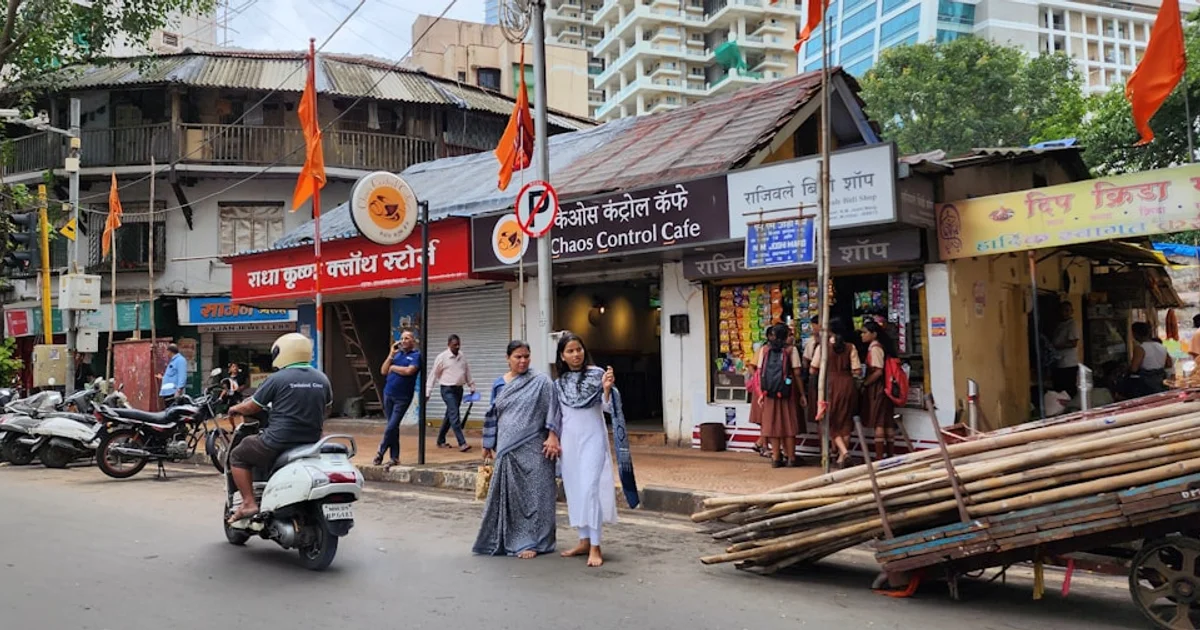
- 1The BJP's ascent in Maharashtra is a result of meticulous planning and leveraging internal dissent within rival parties.
- 2For both the Shiv Sena (UBT) and the NCP (Sharadchandra Pawar), the BJP's maneuvers have triggered an existential crisis.
- 3The BJP's growing dominance in Maharashtra signals a potential long-term shift in the state's political landscape.
- 4The BJP-led alliance now includes factions of both Shiv Sena and NCP.
Maharashtra, a pivotal Indian state, is witnessing a profound political transformation. The Bharatiya Janata Party (BJP) has systematically expanded its influence, creating significant tremors within the traditional strongholds of the Shiv Sena (Uddhav Balasaheb Thackeray) and the Nationalist Congress Party (NCP - Sharadchandra Pawar). This aggressive expansion strategy by the BJP is not merely about gaining seats; it's a strategic realignment of power dynamics that challenges established political narratives and puts the future of Maharashtra's opposition parties on tenterhooks.
The BJP's Calculated Inroads
The BJP's ascent in Maharashtra is a result of meticulous planning and leveraging internal dissent within rival parties. Following the 2019 assembly elections, the unexpected formation of the Maha Vikas Aghadi (MVA) coalition—comprising Shiv Sena, NCP, and Congress—initially sidelined the BJP. However, the BJP capitalized on factionalism, first orchestrating a split within the Shiv Sena in June 2022, leading to the collapse of the MVA government and the rise of the Eknath Shinde-led Shiv Sena faction aligning with the BJP. This move demonstrated the BJP's capacity to turn adversity into opportunity, significantly weakening the Uddhav Thackeray camp.
"Political strategy often involves exploiting the fault lines within the opposition."
More recently, the NCP experienced a similar split, with Ajit Pawar leading a significant number of MLAs to join the BJP-Shiv Sena government in July 2023. This dual blow has severely weakened the organizational structure and public perception of both the Shiv Sena (UBT) and the NCP (Sharadchandra Pawar faction), fundamentally altering the political arithmetic ahead of upcoming state and general elections.
Shiv Sena and NCP Grapple with Identity Crisis
For both the Shiv Sena (UBT) and the NCP (Sharadchandra Pawar), the BJP's maneuvers have triggered an existential crisis. The Shiv Sena, once a formidable force rooted in Marathi identity politics, now finds its legacy contested by the Eknath Shinde faction, which claims the party's original Hindutva ideology. Uddhav Thackeray's leadership is under immense pressure to rebuild the party from scratch, emphasizing its commitment to constitutional values over traditional hardline Hindutva. Similarly, the NCP, long defined by Sharad Pawar's towering presence, is battling to retain its base and credibility after the defection of a significant portion of its cadre to the ruling alliance. The perception of dynastic politics and internal rifts has made their path to recovery arduous.
📌 Key Point: The BJP's strategy targets the core identity and leadership of rival parties, not just their electoral strength.
These parties are now forced to redefine their political narratives and forge new alliances, often relying heavily on the charisma of their top leaders to consolidate a fragmented voter base.
Implications for Maharashtra's Political Future
The BJP's growing dominance in Maharashtra signals a potential long-term shift in the state's political landscape. With key leaders like Devendra Fadnavis at the helm of strategic planning, the party aims to consolidate its position as the undisputed single largest party. This expansion has several implications:
- Weakened Opposition: The MVA, though still existing on paper, faces immense challenges in presenting a united front against the formidable BJP-led alliance.
- Ideological Blurring: The lines between traditional ideologies are blurring as parties compromise or adapt to align with prevailing political currents.
- Increased Centralization: A stronger BJP presence often translates to greater influence from the central government in state affairs.
- Electoral Challenges: The upcoming Lok Sabha and Assembly elections will be critical tests for the resilience of the Shiv Sena (UBT) and NCP (Sharadchandra Pawar).
The BJP's strategy appears to be a blueprint for undermining regional parties by exploiting internal divisions, thereby paving the way for a more centralized political power structure in the state.
Key Facts
- The BJP-led alliance now includes factions of both Shiv Sena and NCP.
- The Maha Vikas Aghadi (MVA) was formed in 2019, but its government fell in June 2022.
- Devendra Fadnavis served as Chief Minister before becoming Deputy CM in the current government.
- The splits in Shiv Sena and NCP occurred in June 2022 and July 2023, respectively.
Conclusion
The political chessboard of Maharashtra has been dramatically rearranged by the BJP's calculated expansion. By successfully engineering splits within both the Shiv Sena and the NCP, the BJP has not only strengthened its own position but also pushed its traditional rivals into a precarious battle for survival and relevance. The coming elections will reveal whether these established regional powers can regroup and reclaim their influence, or if Maharashtra is set to become a more firmly BJP-dominated state. The stakes are incredibly high for all involved.
FAQ
QWhat led to the split in Shiv Sena? The split in Shiv Sena in June 2022 was primarily due to internal dissent against Uddhav Thackeray's leadership and his alliance with the NCP and Congress, leading Eknath Shinde to form a faction aligned with the BJP.
QHow did the NCP split impact Maharashtra's government? The NCP split in July 2023 saw Ajit Pawar and a group of MLAs join the BJP-Shiv Sena government, further solidifying the ruling alliance's majority in the state assembly.
QWhat is the Maha Vikas Aghadi (MVA)? The Maha Vikas Aghadi (MVA) is a political alliance formed in Maharashtra after the 2019 assembly elections, originally comprising Shiv Sena (undivided), NCP (undivided), and the Indian National Congress.
QWhat challenges do Shiv Sena (UBT) and NCP (Sharadchandra Pawar) face now? Both parties face significant challenges in rebuilding their organizational structures, retaining their voter bases, and re-establishing their political identities amidst the defections and the BJP's aggressive expansion.
Rate this article
Discussion
Leave a comment
Related topics
Keep reading
Latest from DailyForge

Skoda's Upcoming Premium EV: A Game Changer for India's Luxury Segment?
Skoda is preparing to launch its most expensive electric vehicle yet, the Peaq. This bold move into the premium EV segment could redefine its presence in India's rapidly evolving luxury car market. Will it succeed?
 DailyForge · 4 min readRead
AI Technology Trends 2026: The Future of Intelligence Unveiled
4 min read
US-Iran Deal Imminent? Pakistan PM Signals Breakthrough Within Hours
4 min read
Pranit More's Biryani Apology: The Viral Video That Stirred India's Food Debate
4 min read
Ahmedabad Air India Incident: A Year Later, Recalling Safety Reforms
4 min read
India Firmly Rejects Lethal Action Against Civilian Ships: Jaishankar to US
5 min readEnjoy this article?
Get fresh stories delivered to your inbox every morning.