
Pranit More's Biryani Apology: The Viral Video That Stirred India's Food Debate
Mumbai-based food blogger Pranit More's "Rs 370 biryani" video ignited a firestorm across India. Now, More apologizes, reflecting on the intense public reaction and the power of social media.
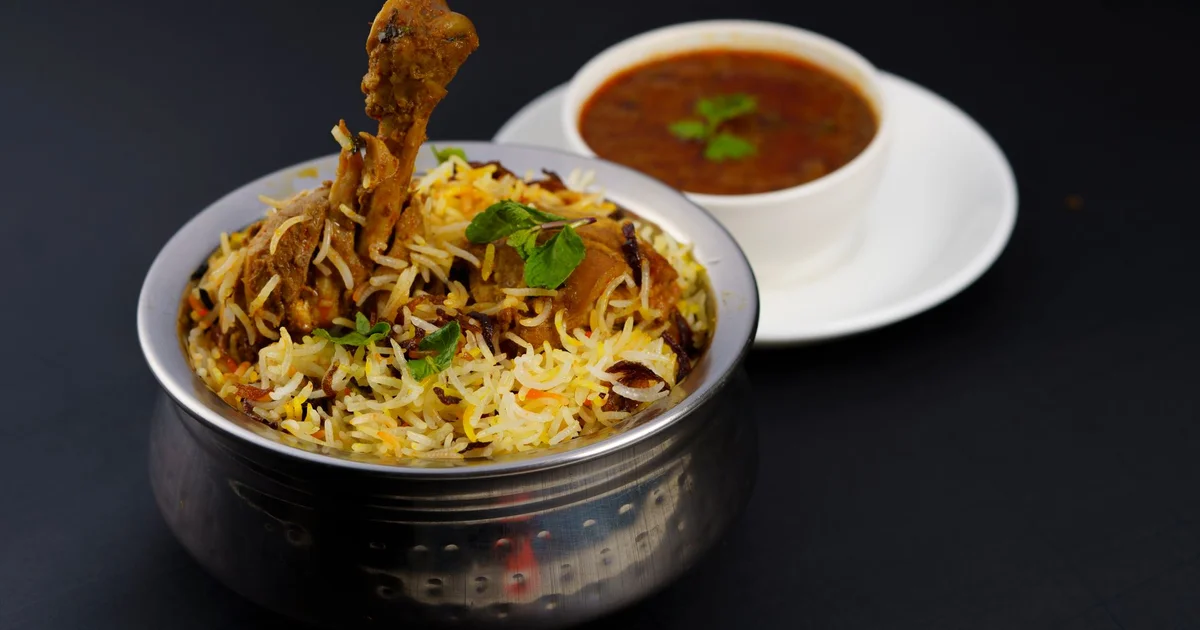
- 1The controversy began when Pranit More posted a video critiquing a biryani priced at Rs 370, expressing disappointment over its quantity and perceived lack of value.
- 2Following the intense public reaction, Pranit More released an apology video, acknowledging his mistake and the unintended consequences.
- 3The Rs 370 biryani saga reflects deeper trends in the Indian consumer market.
- 4Mumbai food blogger Pranit More posted a viral video criticizing a Rs 370 biryani.
Mumbai food blogger Pranit More recently faced a social media storm after his viral "Rs 370 biryani" video ignited a fierce debate across India. Criticizing the dish's value, the video drew millions of views and significant backlash, leading More to publicly apologize for "getting carried away." This incident highlights the immense influence of online creators and the delicate balance between honest critique and potential misrepresentation, especially concerning a dish as culturally significant as biryani in India.
The Viral Spark and Public Outcry
The controversy began when Pranit More posted a video critiquing a biryani priced at Rs 370, expressing disappointment over its quantity and perceived lack of value. In India, biryani is a beloved culinary staple, often expected to be generous and flavorful, making the price point a sensitive issue for many. The video resonated with consumers concerned about rising food costs and shrinking portions in cities like Mumbai. However, it also drew sharp criticism from fellow food enthusiasts and restaurateurs, who argued More's critique lacked context or set unrealistic expectations regarding food pricing and quality.
"I got carried away and didn't think about the impact my video would have."
The rapid spread of the video across Indian social media platforms underscored the immediate and far-reaching impact of digital content. The debate quickly transcended a single biryani, becoming a broader discussion on food pricing in India, restaurant economics, and the scrutiny faced by online influencers.
Decoding the Apology and Its Implications
Following the intense public reaction, Pranit More released an apology video, acknowledging his mistake and the unintended consequences. He admitted to "getting carried away" and not fully considering the potential harm to the restaurant and the wider food community. This swift apology was crucial, yet it also fueled discussions about the accountability of social media influencers. In an era where digital creators significantly shape consumer choices, the ethical responsibility to provide balanced and fair reviews becomes paramount.
📌 Key Point: The incident highlights the critical need for content creators to consider the broader economic and social impact of their reviews, especially when discussing sensitive topics like pricing and value in local Indian contexts.
The episode serves as a powerful reminder for Indian content creators about the ramifications of their content, encouraging a more thoughtful approach:
- Context: Provide relevant information about pricing, location, and establishment type.
- Empathy: Consider the impact on small businesses and their livelihoods.
- Accuracy: Ensure facts and observations are verifiable.
Beyond the Biryani: Consumer Trust and Value Perception
The Rs 370 biryani saga reflects deeper trends in the Indian consumer market. With increasing disposable incomes and a booming food delivery ecosystem, consumers are increasingly discerning about their spending. The debate illuminated the tension between perceived value, actual cost, and market expectations. For some, Rs 370 might be reasonable for a high-quality, specialty biryani; for others, it's exorbitant for a basic meal. This disparity highlights India's diverse economic realities and varying consumer preferences. Maintaining consumer trust is vital for both food businesses and reviewers in this dynamic environment, where a single viral post can profoundly impact public opinion and livelihoods. The incident calls for greater food pricing transparency and a nuanced understanding of market dynamics.
Key Facts
- Mumbai food blogger Pranit More posted a viral video criticizing a Rs 370 biryani.
- The video ignited a national debate on food pricing, quality, and portion sizes in India.
- More issued a public apology, admitting he "got carried away" and regretting the video's impact.
- The controversy underscored the significant influence and responsibility of social media creators.
Conclusion
Pranit More's "Rs 370 biryani" video and subsequent apology offer critical insights into digital influence and consumer expectations in India. It reinforces that online reviews, while powerful tools, demand significant responsibility. This incident has sparked vital conversations about fair pricing, the economics of the food industry, and the imperative for content creators to approach their work with diligence and empathy. Ultimately, it’s a powerful reminder that in the interconnected world of social media, a single post can ignite a national dialogue, profoundly shaping perceptions and impacting businesses.
FAQ
QWhat was the main issue with Pranit More's biryani video? A: Pranit More's video criticized a biryani priced at Rs 370 for its perceived lack of quantity and value, sparking a widespread debate on food pricing and consumer expectations in India.
QWhy did Pranit More apologize? A: More apologized after his video received significant backlash from viewers and the food community. He admitted to "getting carried away" and not fully considering the impact his critique would have.
QWhat broader issues did the "Rs 370 biryani" controversy highlight? A: The controversy highlighted important discussions about food pricing transparency, consumer trust in online reviews, the economics of the restaurant industry, and the accountability of social media influencers in India.
QWhat lessons can content creators learn from this incident? A: Content creators can learn the importance of providing balanced, well-researched reviews, considering the broader impact of their content, and exercising empathy towards businesses and their livelihoods.
Rate this article
Discussion
Leave a comment
Related topics
You might also like
Handpicked stories for you

India Firmly Rejects Lethal Action Against Civilian Ships: Jaishankar to US
India's External Affairs Minister S. Jaishankar has forcefully communicated to US leaders, including Senator Marco Rubio, that lethal action against civilian ships is unacceptable, reinforcing India's steadfast commitment to global maritime security.
 DailyForge · 5 min readRead
 Enjoy this article?
Get fresh stories delivered to your inbox every morning.