
India Firmly Rejects Lethal Action Against Civilian Ships: Jaishankar to US
India's External Affairs Minister S. Jaishankar has forcefully communicated to US leaders, including Senator Marco Rubio, that lethal action against civilian ships is unacceptable, reinforcing India's steadfast commitment to global maritime security.
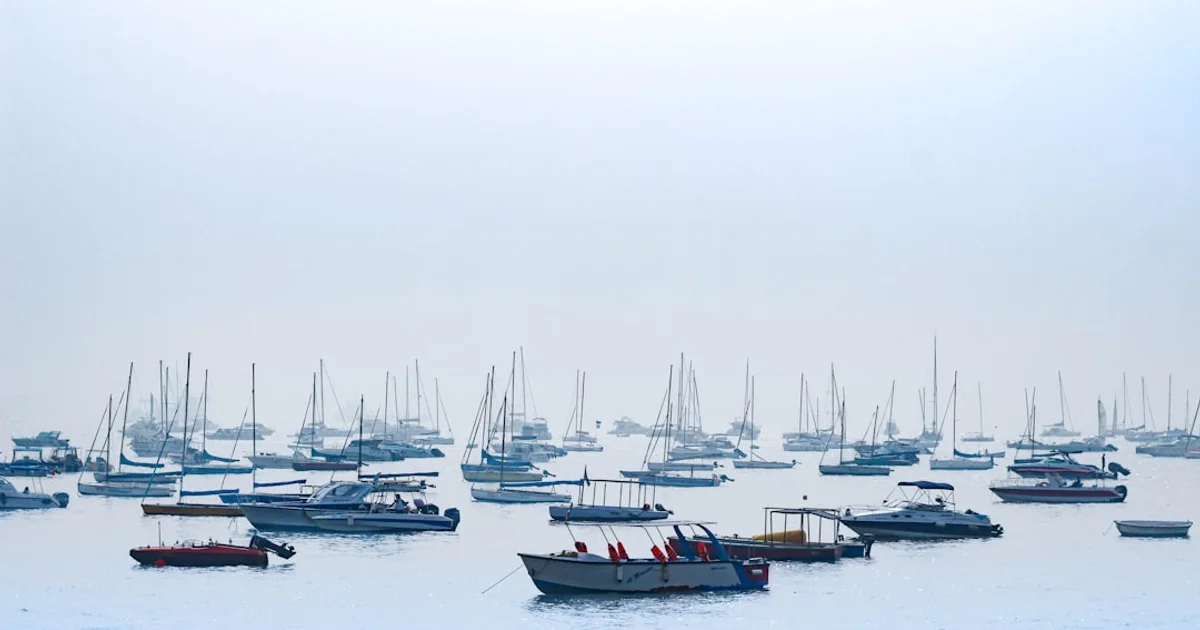
- 1India has consistently advocated for the protection of civilian assets and the adherence to international maritime law.
- 2Discussions between Jaishankar and US Senator Marco Rubio, alongside broader engagements with the US State Department, reflect the shared concerns over escalating maritime threats.
- 3The ongoing maritime instability has profound geopolitical implications, potentially rerouting global supply chains and increasing insurance costs for shipping.
External Affairs Minister S. Jaishankar recently underscored India's firm stance against lethal action targeting civilian ships in critical discussions with US leaders, including Senator Marco Rubio. This high-level engagement highlights India's growing concern over maritime security, particularly in volatile regions like the Red Sea, where attacks on commercial vessels have disrupted global trade and posed significant risks to international shipping. India's clear communication emphasizes its principled position on protecting non-combatant shipping and maintaining the freedom of navigation essential for global commerce.
India's Principled Stand on Maritime Safety
India has consistently advocated for the protection of civilian assets and the adherence to international maritime law. Jaishankar’s discussions with US officials reiterated this fundamental principle, emphasizing that such actions are not justifiable under any circumstances. The recent surge in attacks on merchant vessels in the Red Sea by Houthi rebels has brought this issue to the forefront, impacting shipping lanes vital for India's energy and trade flows. India, a major maritime nation, has deployed its naval assets to safeguard its commercial interests and ensure the safety of Indian-flagged vessels and seafarers.
"Lethal action against civilian ships is not justified and poses an unacceptable risk to global commerce and human lives."
India's proactive approach includes enhanced surveillance and anti-piracy operations, demonstrating its commitment to being a net security provider in the Indian Ocean region. This stance is crucial for maintaining stability in a maritime domain increasingly threatened by non-state actors and geopolitical rivalries. The Indian Navy's swift responses to distress calls from various merchant vessels, including those not Indian-flagged, further illustrate this commitment.
US Engagement and Regional Dynamics
Discussions between Jaishankar and US Senator Marco Rubio, alongside broader engagements with the US State Department, reflect the shared concerns over escalating maritime threats. While the US has led efforts like Operation Prosperity Guardian to counter Houthi attacks, India's emphasis remains firmly on the non-negotiable status of civilian shipping. US State Secretary Antony Blinken has also consistently called for de-escalation and the protection of maritime commerce, highlighting the need for a unified international response to ensure the safety of navigation.
📌 Key Point: India's diplomatic efforts aim to build consensus on the non-permissibility of attacking civilian vessels, reinforcing international norms even as military responses are considered.
These dialogues are critical for coordinating international responses and ensuring that any actions taken prioritize the safety of civilian lives and vessels. The US and India, both key players in the Indo-Pacific, recognize that stability in maritime trade routes is paramount for global economic well-being. The challenge lies in balancing the need for decisive action against perpetrators with the imperative to avoid collateral damage to innocent shipping.
Geopolitical Implications and India's Role
The ongoing maritime instability has profound geopolitical implications, potentially rerouting global supply chains and increasing insurance costs for shipping. For India, which relies heavily on sea lanes for 95% of its trade by volume, the security of these routes is a core national interest. India's diplomatic outreach to the US and other partners aims to foster a collaborative framework for maritime security that respects international law and protects innocent passage.
India's growing influence on the global stage, coupled with its robust naval capabilities, positions it as a vital partner in addressing these complex challenges. Its consistent advocacy for a rules-based international order, particularly in maritime affairs, reinforces its role as a responsible global power. This includes pushing for diplomatic solutions while being prepared to defend its interests and ensure the safety of its citizens and assets at sea.
Here are some key initiatives India has undertaken:
- Increased naval deployments in the Arabian Sea and Gulf of Aden.
- Enhanced intelligence sharing with international partners.
- Participation in multilateral maritime security dialogues.
- Providing assistance to distressed vessels, irrespective of flag.
Key Facts
- EAM S. Jaishankar conveyed India's stance to US Senator Marco Rubio and other US officials.
- India emphasizes that lethal action against civilian ships is never justified.
- The Red Sea crisis and Houthi attacks are a primary concern, impacting global trade.
- India has deployed naval assets to secure its maritime trade routes and protect its seafarers.
Conclusion
India's resolute stand against the targeting of civilian ships, articulated by S. Jaishankar to US leaders, underscores a fundamental principle of international conduct. As global maritime security faces unprecedented challenges, India's commitment to protecting innocent shipping and upholding international law is more critical than ever. This diplomatic push, combined with proactive naval deployments, solidifies India's role as a responsible stakeholder in ensuring the safety and stability of the world's oceans.
FAQ
QWhat was the main point of Jaishankar's message to US leaders? A: Jaishankar emphasized that lethal action against civilian ships is not justified under any circumstances, highlighting India's commitment to protecting maritime commerce.
QWhy is India particularly concerned about maritime security now? A: India relies heavily on sea lanes for its trade, and recent attacks on civilian vessels in critical routes like the Red Sea pose a direct threat to its economic interests and the safety of its seafarers.
QHow has the US State Secretary responded to the broader issue of maritime insecurity? A: US State Secretary Antony Blinken has consistently called for de-escalation and the protection of maritime commerce, aligning with the need for a unified international response to ensure safe navigation.
QWhat actions has India taken to secure its maritime interests? A: India has deployed its naval assets to the region, increased surveillance, and participated in anti-piracy operations to safeguard its commercial vessels and ensure the safety of international shipping.
Rate this article
Discussion
Leave a comment
Related topics
You might also like
Handpicked stories for you

NEET-UG Scam: How a National Exam Crisis Shakes a Gurgaon Wedding
A joyous wedding in a Gurgaon village abruptly turns somber as the national NEET-UG exam scandal directly implicates the groom's family. Witness how a widespread controversy casts a long shadow over a day meant for celebration.
 DailyForage · 4 min readRead
Enjoy this article?
Get fresh stories delivered to your inbox every morning.