
Ahmedabad Air India Incident: A Year Later, Recalling Safety Reforms
A year after a significant Air India incident near Ahmedabad, we delve into the comprehensive investigations, the critical safety reforms implemented, and the ongoing efforts to bolster passenger trust in India's rapidly expanding aviation sector.
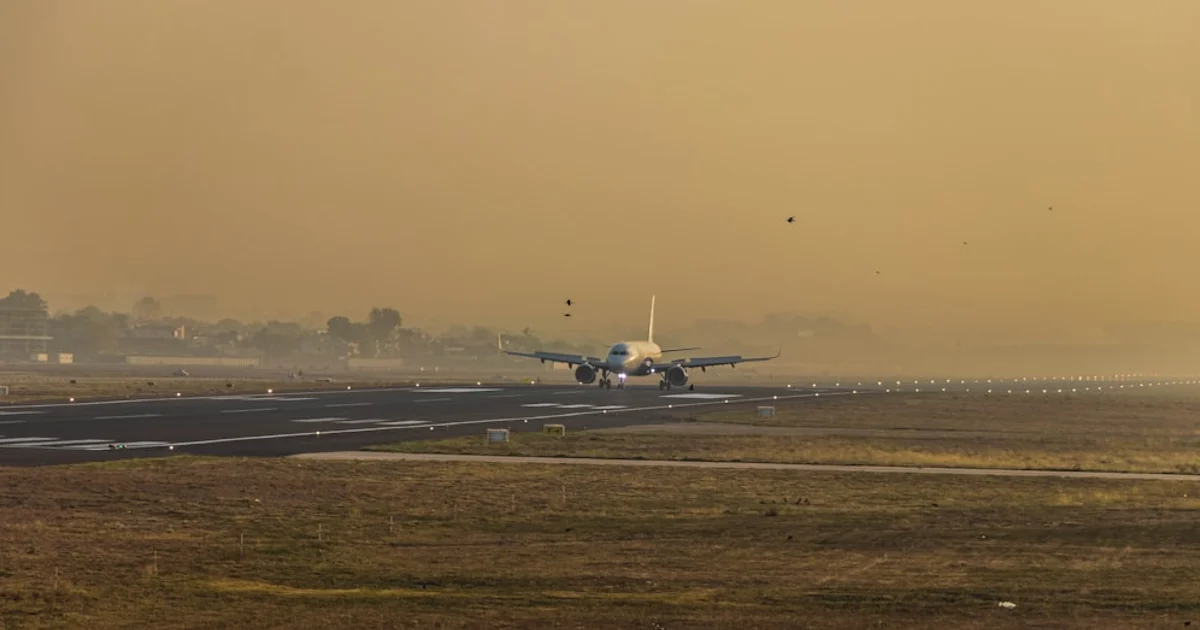
- 1The incident, while not resulting in a major catastrophe, triggered a rapid response from regulatory bodies and emergency services.
- 2The AAIB's comprehensive investigation delved deep into the circumstances surrounding the Ahmedabad incident.
- 3The incident undoubtedly tested passenger trust in Air India and the broader Indian aviation sector.
- 4The Aircraft Accident Investigation Bureau (AAIB) is responsible for investigating serious air incidents in India.
A year ago, an Air India incident near Ahmedabad sent shockwaves through the nation, prompting immediate scrutiny of air safety protocols and operational standards. As India's aviation sector continues its rapid growth, such events serve as stark reminders of the paramount importance of unwavering vigilance and continuous improvement in ensuring passenger safety. This retrospective examines the aftermath, the crucial lessons learned, and the tangible steps taken to bolster aviation security in the country.
The Immediate Aftermath and National Response
The incident, while not resulting in a major catastrophe, triggered a rapid response from regulatory bodies and emergency services. The Aircraft Accident Investigation Bureau (AAIB), India's primary investigation agency for serious aviation incidents, swiftly launched a detailed inquiry. Initial reports focused on technical glitches and communication protocols, highlighting areas for immediate operational review. The Directorate General of Civil Aviation (DGCA) also initiated an audit across various airlines, emphasizing adherence to standard operating procedures and maintenance schedules, particularly for flights operating within Indian airspace. This proactive approach underscored the government's commitment to preventing future occurrences and restoring public confidence.
The incident served as a powerful catalyst for a renewed focus on safety culture within Indian aviation.
Key Investigative Findings and Systemic Changes
The AAIB's comprehensive investigation delved deep into the circumstances surrounding the Ahmedabad incident. While specific findings remain under review for full public disclosure, preliminary analyses often point to a combination of factors, from equipment malfunction to human factors and air traffic control coordination. Following the incident, several systemic changes were implemented across Indian aviation:
- Enhanced Pilot Training: Focus on emergency procedures, communication protocols, and decision-making under stress.
- Upgraded ATC Systems: Investments in modernizing air traffic control infrastructure and communication tools, especially in busy corridors.
- Stricter Maintenance Checks: Increased frequency and rigor of aircraft inspections and component replacements to prevent technical failures.
- Data-Driven Safety Management: Greater emphasis on collecting and analyzing flight data to identify potential risks before they escalate.
📌 Key Point: The incident spurred significant upgrades in both hardware and human resource training across India's aviation ecosystem, aiming for a more resilient system.
Rebuilding Trust and Future Outlook
The incident undoubtedly tested passenger trust in Air India and the broader Indian aviation sector. However, the swift and transparent response from authorities, coupled with visible safety enhancements, has been crucial in rebuilding confidence. Air India, under new ownership, has also committed to a significant overhaul of its fleet, training, and operational practices, aiming to set new benchmarks for safety and service. The focus now is on creating a robust safety culture that is embedded in every aspect of flight operations, from ground handling to in-flight procedures. India's aviation market is projected to be among the fastest-growing globally, and ensuring zero-tolerance for safety lapses is paramount for sustainable expansion.
Key Facts
- The Aircraft Accident Investigation Bureau (AAIB) is responsible for investigating serious air incidents in India.
- The Directorate General of Civil Aviation (DGCA) regulates air transport services and enforces safety standards.
- India's aviation sector is one of the fastest-growing globally, necessitating continuous safety enhancements.
- Human factors, technical issues, and environmental conditions are common areas of focus in air incident investigations.
Conclusion
A year after the Air India incident near Ahmedabad, the Indian aviation industry stands at a critical juncture. The event, while challenging, became a catalyst for introspection and reform. The ongoing commitment to rigorous investigations, technological upgrades, and advanced training underscores a collective resolve to maintain the highest safety standards. As passenger volumes continue to soar, these proactive measures are vital to ensure that air travel in India remains among the safest modes of transportation, fostering continued growth and public trust.
FAQ
QWhat agency investigates air incidents in India? The Aircraft Accident Investigation Bureau (AAIB) is the primary agency responsible for investigating serious air incidents and accidents in India.
QHow has Air India responded to safety concerns? Air India, especially under new management, has been undertaking significant fleet modernization, enhancing pilot training, and reviewing operational protocols to bolster its safety framework.
QWhat role does the DGCA play in Indian aviation safety? The Directorate General of Civil Aviation (DGCA) is the regulatory body that oversees all aspects of civil aviation in India, including setting and enforcing safety standards, licensing, and auditing.
QWhat are common factors in air incidents? Common factors can include technical malfunctions, human error (pilot or air traffic control), adverse weather conditions, and issues related to ground handling or maintenance.
Rate this article
Discussion
Leave a comment
Related topics
Keep reading
Latest from DailyForge

Skoda's Upcoming Premium EV: A Game Changer for India's Luxury Segment?
Skoda is preparing to launch its most expensive electric vehicle yet, the Peaq. This bold move into the premium EV segment could redefine its presence in India's rapidly evolving luxury car market. Will it succeed?
 DailyForge · 4 min readRead
AI Technology Trends 2026: The Future of Intelligence Unveiled
4 min read
US-Iran Deal Imminent? Pakistan PM Signals Breakthrough Within Hours
4 min read
BJP's Maharashtra Surge: Sena, NCP on Edge as Power Dynamics Shift
4 min read
Pranit More's Biryani Apology: The Viral Video That Stirred India's Food Debate
4 min read
India Firmly Rejects Lethal Action Against Civilian Ships: Jaishankar to US
5 min readEnjoy this article?
Get fresh stories delivered to your inbox every morning.