
Israel's Lebanon Strikes Threaten US-Iran Deal, India's Stability at Risk
Middle East tensions surge as Israel targets southern Lebanon, casting a shadow over US-Iran diplomatic efforts. For India, this escalating conflict poses direct threats to its energy security and regional stability. Find out what's at stake.
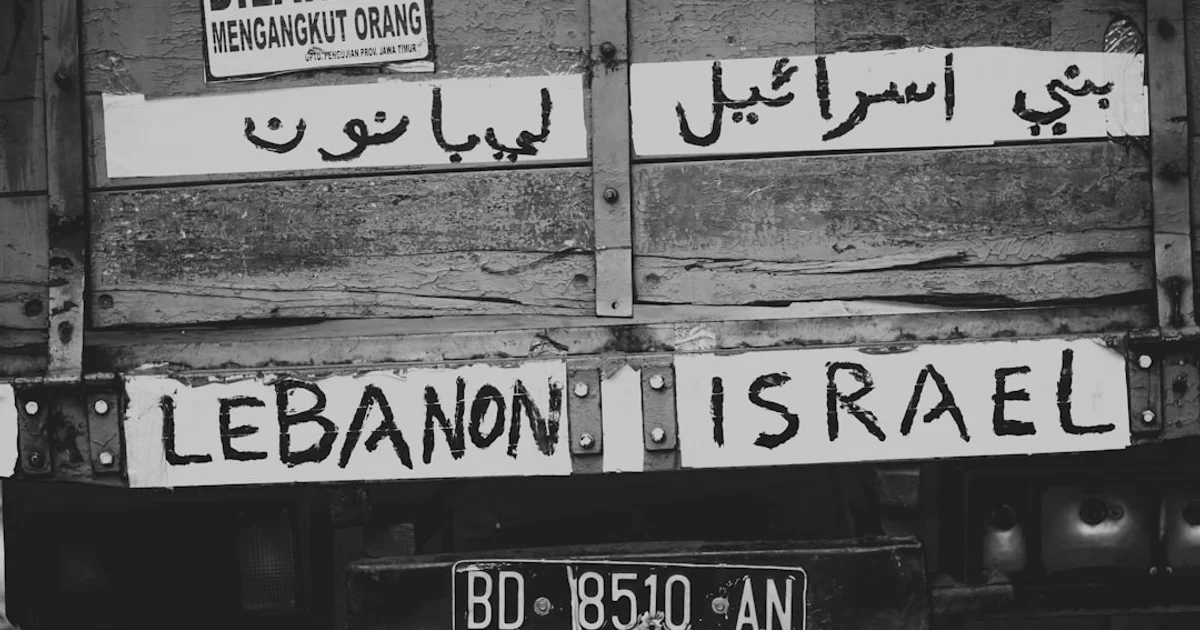
- 1The Israeli Defense Forces (IDF) confirmed strikes deep within southern Lebanon, citing responses to cross-border aggression, likely from Hezbollah, a powerful Iran-backed Shiite militant group.
- 2The most immediate and tangible impact on India from a destabilized Middle East is on its energy bill.
- 3Israel conducted strikes in southern Lebanon targeting Hezbollah infrastructure.
The Middle East finds itself on a precarious knife-edge following recent Israeli military strikes in southern Lebanon. These actions, reportedly targeting Hezbollah infrastructure, have not only intensified regional hostilities but also cast a long, ominous shadow over the fragile diplomatic efforts between the United States and Iran. For India, a nation deeply reliant on the region for energy and trade, this escalating volatility presents significant strategic and economic challenges.
Escalation and the US-Iran Stalemate
The Israeli Defense Forces (IDF) confirmed strikes deep within southern Lebanon, citing responses to cross-border aggression, likely from Hezbollah, a powerful Iran-backed Shiite militant group. This tit-for-tat escalation comes at a particularly sensitive juncture for US-Iran relations, which have seen intermittent attempts at de-escalation and even indirect talks aimed at reviving aspects of the 2015 nuclear deal (JCPOA). Such military actions risk derailing any progress, pushing both Washington and Tehran further apart and increasing the likelihood of a wider regional conflagration. The core issue remains Iran's nuclear program and its regional proxies, which Israel views as existential threats.
"The delicate dance of diplomacy between Washington and Tehran could easily collapse under the weight of renewed military action."
The strikes demonstrate Israel's resolve to counter perceived threats, but they also highlight the interconnectedness of regional conflicts. Any significant escalation involving Iran or its allies directly threatens the stability of vital shipping lanes and global energy supplies, a scenario that has historically sent ripples through international markets.
India's Strategic Imperatives in a Volatile West Asia
India's foreign policy in the Middle East, or West Asia as it's often referred to in New Delhi, is characterized by a nuanced approach, balancing robust ties with Israel, strategic partnerships with Gulf nations, and historical engagement with Iran. The latest flare-up directly challenges this delicate equilibrium. India's energy security is paramount; it imports over 85% of its crude oil, with a substantial portion originating from the Gulf. Disruption in oil flows or a sharp increase in prices due to regional instability can severely impact India's economy, leading to inflation and a depreciating rupee.
📌 Key Point: India's strategic autonomy is tested as it navigates deep reliance on Middle Eastern energy while maintaining complex diplomatic ties with all major regional players.
Furthermore, India's ambitious Chabahar Port project in Iran, a crucial gateway for trade with Afghanistan and Central Asia, faces renewed uncertainty. Past US sanctions on Iran have directly impacted the project's progress and investment, highlighting India's vulnerability to external geopolitical pressures. New Delhi strives to protect its investments and ensure the port remains viable for its regional connectivity ambitions, even as US-Iran tensions simmer.
Economic Headwinds: Oil Prices and Trade Routes
The most immediate and tangible impact on India from a destabilized Middle East is on its energy bill. Global crude oil benchmarks, like Brent, often react sharply to any news of conflict in the region. A sustained price surge can inflate India's import costs, widen its current account deficit, and put pressure on the Indian rupee. This directly translates to higher fuel prices for consumers and increased input costs for industries, potentially slowing economic growth. India's efforts to diversify its energy sources, including increasing purchases from Russia, are partly a response to this inherent volatility.
The security of maritime trade routes through the Strait of Hormuz is also critical. A significant portion of India's international trade passes through this choke point. Any threat to shipping, whether from military action or increased piracy, could disrupt supply chains, increase insurance premiums, and raise the cost of goods for Indian businesses and consumers. India's naval presence in the Indian Ocean region is a testament to its commitment to safeguarding these vital arteries.
Key Facts
- Israel conducted strikes in southern Lebanon targeting Hezbollah infrastructure.
- These strikes threaten to derail ongoing, indirect US-Iran diplomatic talks.
- India imports over 85% of its crude oil, making it highly vulnerable to Middle East instability.
- The Chabahar Port in Iran is a key Indian connectivity project, sensitive to US sanctions.
Conclusion
The recent Israeli strikes in southern Lebanon serve as a stark reminder of the Middle East's enduring fragility and its profound implications for global stability. For India, the unfolding crisis presents a complex web of challenges, from safeguarding its energy security and economic stability to navigating intricate diplomatic relationships. As the region teeters on the brink, New Delhi will need to deploy all its diplomatic acumen to protect its vital national interests and advocate for de-escalation in a region critical to its future.
FAQ
QWhat triggered the recent Israeli strikes in southern Lebanon? A: Israel stated the strikes were in response to cross-border aggression, likely from Hezbollah, an Iran-backed group operating in southern Lebanon.
QHow do these strikes jeopardize the US-Iran deal? A: The strikes escalate regional tensions, making it harder for the US and Iran to engage in constructive dialogue or revive any agreements regarding Iran's nuclear program.
QWhy is India particularly concerned about Middle East instability? A: India is heavily reliant on the Middle East for over 85% of its crude oil imports and has significant trade and strategic interests, including the Chabahar Port project.
QWhat is the potential economic impact on India? A: Increased crude oil prices, a depreciating rupee, higher inflation, and disruptions to critical trade routes through the Strait of Hormuz are potential economic impacts.
Rate this article
Discussion
Leave a comment
Related topics
Keep reading
Latest from DailyForge

Anthropic Rushes Staff to D.C. Amid White House AI Scrutiny
Following White House concerns regarding its AI models, Anthropic deployed senior staff to Washington D.C. This move underscores the intensifying scrutiny major AI developers face as regulators grapple with emerging technologies.
 DailyForge · 4 min readRead
Rahul Gandhi Urges Youth to Join Kota Protest Against Exam Paper Leaks
3 min read
NEET-UG Scam: How a National Exam Crisis Shakes a Gurgaon Wedding
4 min read
Skoda's Upcoming Premium EV: A Game Changer for India's Luxury Segment?
4 min read
AI Technology Trends 2026: The Future of Intelligence Unveiled
4 min read
US-Iran Deal Imminent? Pakistan PM Signals Breakthrough Within Hours
4 min readEnjoy this article?
Get fresh stories delivered to your inbox every morning.