
AI Agents to Guard India's EV Chargers: A Cybersecurity Imperative
As India's EV revolution accelerates, the cybersecurity of its charging infrastructure becomes paramount. AI agents offer a powerful, adaptive shield against emerging digital threats.
- 1India's electric vehicle market is experiencing exponential growth, projected to exceed 10 million unit sales annually by 2030.
- 2The threats facing EV charging infrastructure are multifaceted and potentially devastating.
- 3This is where AI agents emerge as a powerful solution.
- 4Integrating AI security solutions into India's diverse and rapidly expanding EV charging infrastructure presents both opportunities and challenges.
India is witnessing an unprecedented surge in electric vehicle (EV) adoption, a pivotal shift towards sustainable mobility. This rapid transition is fueled by government incentives, growing environmental awareness, and technological advancements, leading to a substantial expansion of public and private charging infrastructure across the nation. However, as the network of EV chargers grows more interconnected and ubiquitous, a critical yet often overlooked challenge emerges: cybersecurity vulnerabilities.
This burgeoning infrastructure, while essential for the EV revolution, presents new frontiers for cyber threats that are not yet fully understood or adequately addressed. Researchers globally, including experts like Cristina Alcaraz from the University of Malaga, are highlighting the inherent liabilities in these systems. The good news is that advanced solutions are on the horizon, with AI agents poised to become the frontline defenders safeguarding India's burgeoning EV charging ecosystem from sophisticated digital attacks.
India's EV Boom and the Vulnerability Challenge
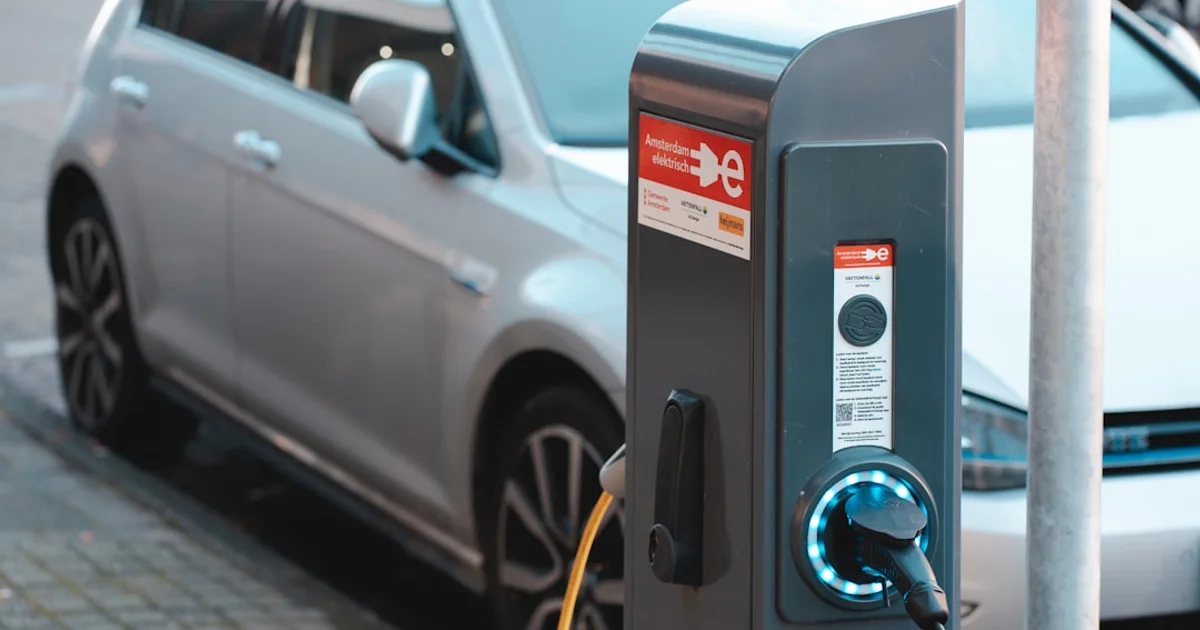
India's electric vehicle market is experiencing exponential growth, projected to exceed 10 million unit sales annually by 2030. Government initiatives like the FAME II scheme have actively promoted EV adoption, leading to a significant rollout of charging stations. From bustling metropolitan hubs like Delhi and Bangalore to emerging tier-2 cities, the sight of EV chargers is becoming increasingly common. This rapid scale-up, however, brings with it a complex web of interconnected systems – from power grids and payment gateways to communication protocols and cloud services – all of which present potential entry points for malicious actors.
The very essence of smart charging, which relies on data exchange for efficiency and billing, also introduces significant attack surfaces. These vulnerabilities range from basic software flaws to sophisticated state-sponsored cyber espionage. Unlike traditional fuel stations, EV chargers are essentially networked computers, making them susceptible to the same types of attacks that plague other IoT devices. The lack of standardized security protocols across diverse manufacturers and operators in India further exacerbates this challenge, creating a patchwork of varying protection levels.
The liability of electric-vehicle charging stations is due to the fact that they are interconnected systems.
📌 Key Point: India's rapid EV charging infrastructure expansion outpaces the development and implementation of robust, standardized cybersecurity measures, creating a fertile ground for new digital threats.
Understanding EV Charger Cybersecurity Threats
The threats facing EV charging infrastructure are multifaceted and potentially devastating. One primary concern is data breaches, where personal information of users, payment details, or charging habits could be compromised. This not only violates privacy but can also lead to financial fraud. Another critical threat involves denial-of-service (DoS) attacks, which could render chargers inoperable, disrupting essential services and causing widespread inconvenience, particularly in a nation heavily reliant on public infrastructure. Imagine a scenario where a significant portion of a city's chargers are simultaneously taken offline.
Beyond data and availability, the integrity of the power grid itself is at risk. Malicious actors could manipulate charging schedules or overload specific grid segments, leading to power fluctuations or even blackouts. Furthermore, supply chain vulnerabilities present a significant challenge, where compromised hardware or software components embedded during manufacturing could create backdoors for future attacks. The stakes are incredibly high, as the security of EV chargers is intrinsically linked to national energy security and public trust in this nascent technology.
- Types of Cyber Threats:
- Data Theft: Compromising personal and payment information.
- Denial-of-Service (DoS): Making chargers unavailable.
- Grid Manipulation: Causing instability or outages.
- Firmware Tampering: Injecting malicious code into charger software.
- Physical Attacks: Vandalism combined with cyber exploitation.
How AI Agents Bolster Charger Security
This is where AI agents emerge as a powerful solution. Unlike traditional, rule-based security systems that react to known threats, AI agents leverage machine learning algorithms to continuously monitor network traffic, operational parameters, and user behavior in real-time. They can establish a baseline of normal activity and rapidly identify deviations that signal potential attacks. For instance, an AI agent could detect unusual power draws, abnormal communication patterns between a charger and the central network, or unauthorized access attempts.
The ability of AI to process vast amounts of data from multiple sources – including sensors, logs, and network packets – allows for a holistic view of the security landscape. Researchers like Cristina Alcaraz emphasize that AI agents can learn and adapt, making them particularly effective against novel, zero-day attacks that traditional firewalls might miss. These agents can operate autonomously, flagging suspicious activities for human review or even initiating automated countermeasures, such as isolating a compromised charger or blocking a malicious IP address, thereby providing proactive defense.
AI agents can learn and adapt, making them particularly effective against novel, zero-day attacks that traditional firewalls might miss.
📌 Key Point: AI's strength lies in its ability to detect subtle anomalies and patterns indicative of sophisticated cyber threats that are often invisible to human operators or static security protocols.
Implementing AI Security in India's Charging Network
Integrating AI security solutions into India's diverse and rapidly expanding EV charging infrastructure presents both opportunities and challenges. On the opportunity side, India's robust IT sector and burgeoning AI talent pool can drive indigenous development of these security systems. Startups and established tech giants alike can collaborate to create tailored solutions that address the specific needs and threat landscape of the Indian market. This could involve developing cost-effective, scalable AI modules that can be retrofitted to existing chargers or built into new ones.
However, challenges persist. The initial investment in AI infrastructure, including powerful processing units and data collection systems, can be substantial. Furthermore, the availability of skilled cybersecurity professionals who understand both AI and EV charging protocols is crucial for effective deployment and maintenance. Establishing clear regulatory frameworks and industry standards for AI-driven security in EV charging is also paramount to ensure interoperability and consistent protection levels across the nation. Overcoming these hurdles will be vital for widespread adoption.
Beyond Detection: Predictive and Adaptive AI
The capabilities of AI agents extend far beyond mere detection. Advanced AI systems can offer predictive threat intelligence, analyzing global and local cyber threat landscapes to anticipate potential attack vectors before they materialize. By continuously learning from new attack patterns and vulnerabilities discovered worldwide, these AI agents can proactively update their defense mechanisms, making them adaptive and resilient. This means an AI system could identify a new type of malware targeting EV chargers in Europe and automatically implement protective measures in India even before that specific threat reaches its borders.
This adaptive nature is critical in a rapidly evolving threat environment. AI-driven security can move from a reactive posture to a proactive and preventative one, reducing the window of vulnerability significantly. Furthermore, AI can aid in forensic analysis post-incident, quickly identifying the root cause of a breach and helping to implement robust recovery strategies. The goal is to create a self-healing, intelligent security ecosystem that can not only repel attacks but also learn and strengthen itself over time, ensuring the long-term reliability of India’s EV charging network.
The Road Ahead: Policy, Standards, and Collaboration
For AI-powered EV charger security to truly flourish in India, a concerted effort across multiple stakeholders is essential. The government must play a pivotal role in formulating comprehensive policies and mandating cybersecurity standards for all EV charging infrastructure. This includes guidelines for data encryption, secure communication protocols, and the deployment of AI-driven monitoring systems. The Bureau of Indian Standards (BIS) could lead the charge in developing these critical benchmarks.
Furthermore, collaboration between public and private sectors is paramount. Charging station operators, EV manufacturers, cybersecurity firms, and academic institutions must work together to share threat intelligence, develop best practices, and invest in research and development. Creating a national cybersecurity framework specifically for critical infrastructure, including EV charging, will foster a secure and trustworthy environment. This collective approach will ensure that India's journey towards electric mobility is not just sustainable but also resilient against cyber threats.
Key Statistics
- India's EV market is projected to grow at a Compound Annual Growth Rate (CAGR) of 49% between 2021 and 2030.
- The country aims for 30% electrification of its vehicle fleet by 2030.
- As of early 2023, India had over 6,000 public EV charging stations, a number rapidly increasing.
- Cybersecurity Ventures predicts global cybercrime costs will reach $10.5 trillion annually by 2025.
- A recent study found that 75% of IoT devices (which include smart chargers) are vulnerable to cyberattacks.
Conclusion
India's ambitious drive towards electric mobility is undeniably transformative, promising a cleaner, greener future. However, the foundational infrastructure supporting this revolution – the EV charging network – must be fortified against an increasingly sophisticated array of cyber threats. The integration of AI agents offers a compelling and robust solution, providing real-time monitoring, intelligent threat detection, and adaptive defense mechanisms that are crucial for safeguarding both user data and national energy security.
Embracing AI in this critical domain is not merely an option but a strategic imperative for India. By investing in indigenous AI capabilities, establishing stringent cybersecurity standards, and fostering strong public-private partnerships, India can lead the way in building a secure and resilient EV ecosystem. The future of sustainable transport hinges not just on the availability of chargers, but on their unwavering integrity and security.
FAQ
QWhat are the primary cybersecurity risks for EV chargers in India? The main risks include data breaches (personal and payment information), denial-of-service attacks (rendering chargers inoperable), manipulation of charging schedules, and grid instability, all exacerbated by a rapidly expanding and diverse infrastructure.
QHow do AI agents enhance EV charger security compared to traditional methods? AI agents use machine learning to continuously monitor for anomalies, detect unknown (zero-day) threats, and adapt their defenses in real-time, offering a more proactive and intelligent security layer than static, rule-based systems.
QIs India prepared to implement AI-driven cybersecurity for its EV infrastructure? India has a strong IT sector and a growing AI talent pool, providing a solid foundation. However, challenges include initial investment costs, the need for specialized skills, and the development of comprehensive regulatory frameworks and industry standards.
QWhat role does the government play in securing EV charging infrastructure? The Indian government is crucial in setting and enforcing cybersecurity policies and standards for EV charging infrastructure, promoting research and development, and facilitating public-private partnerships to build a robust national security framework.
Rate this article
Discussion
Leave a comment
Related topics
You might also like
Handpicked stories for you

FIFA World Cup Rickroll Threat: An Indian Cybersecurity Wake-Up Call
Could a simple ID have led to a FIFA World Cup broadcast hijack? A cybersecurity researcher uncovered a critical flaw in FIFA's agent platform, raising alarms about global event security and data protection for millions of fans.
 DailyForage · 5 min readRead
Skoda's Upcoming Premium EV: A Game Changer for India's Luxury Segment?
4 min read
Dyson Unleashes New V16 Piston, V10 Konical, V8 Cyclone Vacuums in India
7 min read
Rivian's India Ambition: CEO's Vision Amidst Global EV Dynamics
3 min read
US Reads Dutch Emails: Why Digital Sovereignty is Now Critical
4 min readEnjoy this article?
Get fresh stories delivered to your inbox every morning.